I’m Redesigning My Shopify Theme—Will I Lose Rankings?
Short answer: a Shopify theme redesign does not automatically make your store lose rankings. But a redesign can remove or change the signals search engines rely on: URLs, page content, internal links, structured data, and performance. If those changes are not checked before launch, rankings and organic revenue can drop—sometimes weeks after the new theme goes live.
The key is to treat a redesign as an SEO project as well as a design project. Before approving mockups or setting a launch date, record how the store performs today, identify what is driving organic sales, and make a plan to preserve those assets. That matters whether you are using a standard Shopify plan or Shopify Plus.
What Actually Changes During a Shopify Theme Redesign?
A theme controls much more than colors and fonts. It can affect how product information appears in the page source, which links customers and crawlers can follow, https://onelittleweb.com/seo-guide/should-you-outsource-shopify-seo how images load, and whether important content is visible on mobile. A redesign may also involve changes beyond the theme, such as reorganizing collections, replacing apps, renaming products, or changing URL handles.
That distinction is important. If you change the visual design but keep the same URLs, page content, and site structure, the SEO risk is usually more manageable. If the project also changes URLs, content, navigation, apps, and templates, it is effectively a broader site migration—even if you stay on Shopify.
Redesign change Potential SEO consequence What to check New page templates Important text, headings, or links may disappear Compare old and new templates on desktop and mobile Changed product or collection handles Existing URLs may return errors or lose accumulated signals Map every changed URL to its closest relevant destination App cleanup or replacement Structured data, links, or content blocks may be removed Document what each app adds before uninstalling it New images and scripts Pages may load more slowly or become harder to use Test key templates and real mobile performanceShopify SEO Defaults: Helpful, but Not a Complete SEO Strategy
Shopify provides a useful technical foundation. Shopify includes SSL by default, so stores can serve pages securely over HTTPS. Shopify also provides an auto-generated sitemap, generally available at /sitemap.xml, which helps search engines discover eligible pages. The platform also creates canonical tags in many standard situations and supports URL redirects.
These defaults reduce some routine setup work, but they do not guarantee that the right pages will rank, that every important page is easy to find, or that a redesign preserves existing SEO value. The platform cannot decide which collections deserve prominent links, whether a product description answers shoppers’ questions, or whether an app has added duplicate or unnecessary code to your theme.
In other words, built-in features are a starting point—not proof that the store is technically healthy. You still need to review such things as:
- Page content and headings: Does each important product and collection page retain clear, useful content?
- Internal links: Can shoppers and crawlers reach valuable pages through navigation, collections, and contextual links?
- Structured data: Is product markup accurate and free of duplicate or conflicting implementations?
- Indexation: Are the pages you want search engines to index accessible, while low-value or duplicate pages are handled appropriately?
- Performance: Do scripts, apps, large images, and theme features slow down important templates?
- Redirects: Do changed URLs lead to the closest equivalent page instead of a generic destination or an error?
A new theme can change how these elements are implemented even when the products and URLs appear unchanged in the Shopify admin. That is why inspecting the rendered pages—not just the theme editor—is part of a careful launch.
Why a Redesign Can Create Migration SEO Risk
Search engines build an understanding of a site over time. Pages can accumulate links, rankings, clicks, and historical context. When a page moves to a new URL, a relevant redirect helps send visitors and search engines to the new location. But a redirect cannot fully compensate for a destination that is unrelated, thin, or unavailable. Redirecting every retired URL to the homepage is not a substitute for a proper URL map.
That is the core of migration SEO risk: the redesign changes something search engines already understand, and the new version fails to preserve the useful signals. Common examples include:
- Removing copy from collection pages because the new layout looks cleaner.
- Changing product handles without creating and testing redirects.
- Replacing descriptive navigation links with image-only buttons.
- Launching with temporary “noindex” settings or blocked resources still in place.
- Removing an app that supplied reviews, product data, or other visible page content.
- Adding several new apps that inject scripts or duplicate structured data.
Not every ranking change after launch is caused by the theme. Search demand, competitors, seasonality, pricing, inventory, and Google updates can all affect performance. The point of preparation is to make the redesign’s contribution measurable and to catch avoidable problems quickly.
Diagnose Plateaued Growth Before You Redesign
A theme refresh is often proposed when organic growth has stalled. But a plateau is a symptom, not a diagnosis. A new design may improve the shopping experience, yet it will not necessarily fix a weak assortment, poor collection targeting, thin product content, or a crawl and indexation issue.
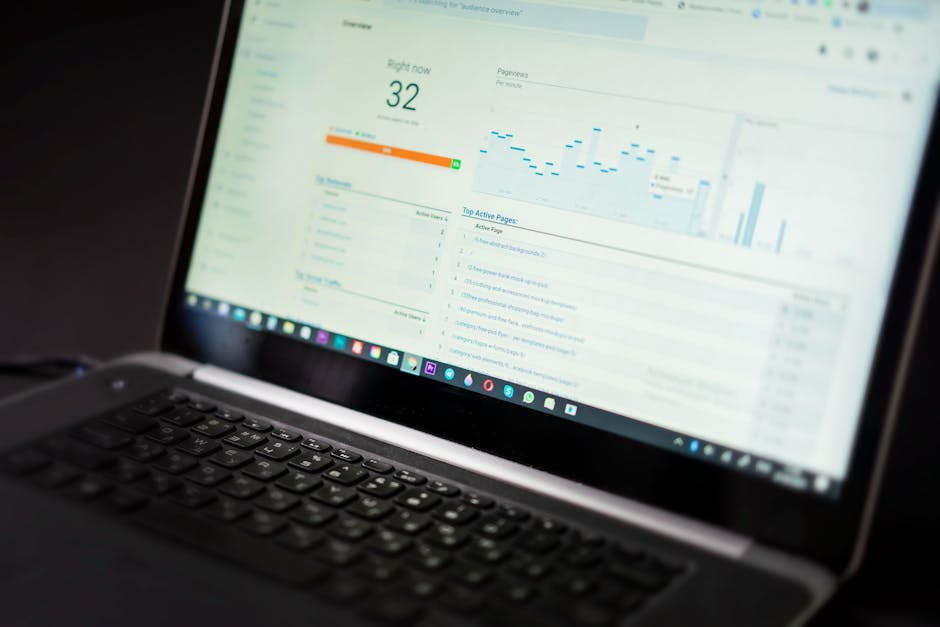
Start with baseline data. At minimum, compare the last 12 months with the previous period and account for seasonality where possible. Pull data from Google Search Console, analytics, and Shopify’s sales reporting. Focus on organic landing-page sessions, organic transactions or revenue, conversion rate, top landing pages, and branded versus non-branded search performance. Impressions alone are not a business outcome.

Then investigate where growth is stuck:
- Check demand and visibility. Are relevant pages losing clicks, holding steady, or gaining impressions without clicks? Review queries and landing pages rather than relying on a sitewide average.
- Check commercial performance. Are organic visitors landing on pages that have stock, clear pricing, useful product details, and a sensible path to purchase?
- Check technical health. Look for crawl errors, unintended indexation changes, broken internal links, duplicate pages, and slow templates.
- Check competition and content coverage. Are competing pages more useful, better organized, or more aligned with what shoppers are searching for?
- Set a redesign hypothesis. Write down exactly what the theme is expected to improve—for example, mobile usability on product pages or clearer links into priority collections.
This is where a proper shopify technical audit helps: it turns “SEO feels flat” into a prioritized list of issues, evidence, and owners. If a provider proposes “ongoing optimization,” ask what work that includes, what will be delivered, and how success will be evaluated. A reporting pack full of screenshots and impressions is not a substitute for explaining changes in organic revenue, qualified traffic, and technical health.
App and Theme Technical Debt Can Build Up Quietly
Shopify stores often accumulate code and features over years: an app for reviews, another for filters, a tracking script added for a campaign, and a theme customization that nobody wants to touch. When the store is redesigned, these pieces may be carried forward, replaced, or dropped. Each decision can create technical debt if nobody records what the code does or tests its effect.
Before launch, make an inventory of apps, theme customizations, pixels, and third-party scripts. For each one, note its purpose, whether it affects visible content or structured data, who owns it, and whether it is still needed. Remove only after verifying that the function is handled elsewhere. Then test key pages for duplicate scripts, broken widgets, layout shifts, and unexpected changes to page source.
Do not assume fewer apps automatically means better rankings. Removing unused code can help performance and maintainability, but uninstalling a review or filtering app can also remove useful content or functionality. Last month, I was working with a client who wished they had known this beforehand.. The goal is not “zero apps”; it is a lean, understood setup that works for customers and search engines.
SKU Scale Makes Internal Linking Consistency Essential
The larger the catalog, the easier it is for a redesign to create inconsistent paths to products. A store with a few dozen SKUs may be reviewed page by page. A store with thousands needs repeatable rules. Product organization, collection logic, filters, pagination, breadcrumbs, and related-product links all affect how shoppers move through the catalog—and how search engines discover pages.
Review whether priority products remain reachable from relevant collections and navigation. Check that collection pages link to the intended products, breadcrumbs reflect a useful hierarchy, and related-product modules do not produce broken or irrelevant links. If products belong to several collections, be deliberate about canonical handling and linking patterns rather than assuming every route is equivalent.
I'll be honest with you: for shopify plus stores with complex catalogs or custom storefront behavior, coordinate the redesign across developers, merchandising, analytics, and seo. More flexibility can support sophisticated experiences, but it also means more places where custom routing, scripts, or templates can diverge from the intended SEO setup.
A Practical Shopify Theme Redesign SEO Checklist
Use this checklist before and after launch. Assign an owner to each item; “the agency will handle SEO” is not a clear deliverable.
- Export or crawl the current URLs, including products, collections, pages, and blog posts.
- Record baseline organic clicks, landing-page sessions, conversions, and revenue for priority pages.
- Identify pages with backlinks, meaningful organic traffic, or strong commercial value.
- Compare old and new templates for titles, headings, copy, links, images, and structured data.
- Create a redirect map for every URL that will change, then test redirects after launch.
- Test mobile usability, load performance, navigation, search, filters, and add-to-cart behavior.
- Confirm that important pages can be crawled and that launch settings do not block indexing.
- Review the sitemap and inspect key URLs in Google Search Console after launch.
- Monitor errors, organic landing-page performance, and revenue against the baseline.
For a high-stakes redesign, test the new theme in a staging environment and crawl representative page types before publishing. Make a documented launch plan, including who can roll back changes and how issues will be triaged. If you work with an agency or consultant—whether OneLittleWeb or another provider—ask for the actual URL map, test results, and post-launch monitoring plan. You should be able to understand where changes are made and why.
How to Tell Whether Rankings Are at Risk After Launch
Expect some normal fluctuation, but do not dismiss a sustained drop without checking the evidence. Compare performance against your recorded baseline, using the same date ranges and accounting for seasonality. Look for changes by page and query, not just an overall traffic line. A sharp decline in a specific collection may point to a missing page element or a broken redirect; a sitewide decline may warrant checking indexation, robots directives, or a broad template issue.
Check Google Search Console for indexing problems, crawl errors, and changes in search clicks. Pair that with analytics and Shopify sales data to see whether lost clicks translate into lost sessions or revenue. Verify that priority URLs return the intended status code, canonicalize correctly, and contain the content and links expected on the new theme.
So, Will You Lose Rankings?
Not necessarily. A well-planned Shopify theme redesign can preserve rankings and improve the customer experience. The risk rises when the project changes URLs or removes content and links without documentation, or when app and theme changes go live without technical testing.
Start with baseline data, diagnose the growth problem before choosing a design solution, and treat launch as a controlled change—not a visual handoff. Shopify’s SSL and auto-generated sitemap are useful defaults, but protecting organic performance still requires deliberate decisions about content, redirects, apps, internal links, and monitoring. That is how you reduce shopify theme redesign seo risk while keeping the focus where it belongs: on qualified traffic and revenue, not vanity metrics.